 By Admin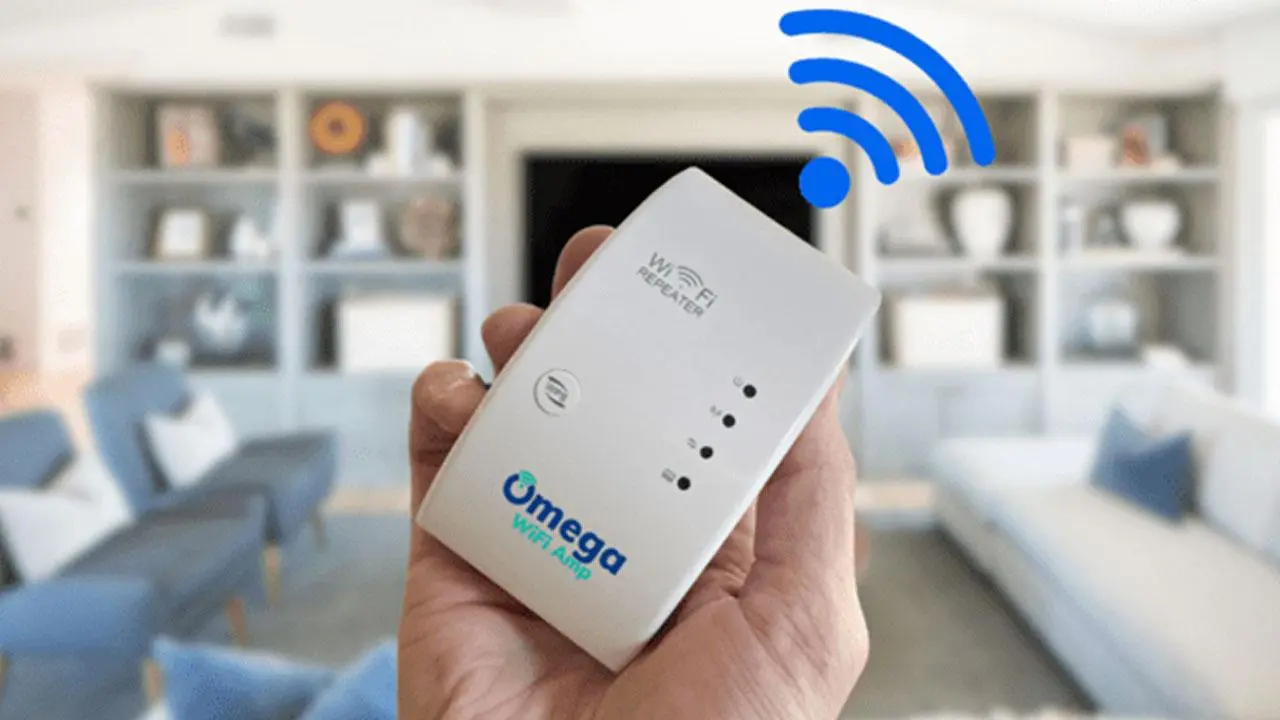
Hey buddy, picture this: You’re settled in for a movie night, popcorn ready, and suddenly your stream starts buffering endlessly. Or you’re on an important video call for work, and the connection drops right when you’re making a key point. Frustrating, right? In 2025, with more of us working from home, streaming 4K content, and connecting dozens of smart devices, weak WiFi signals are a common headache. According to recent stats from broadband reports, over 40% of households still experience dead zones despite having decent internet plans. That’s where WiFi boosters like the Omega WiFi Amp come in – promising to eliminate those frustrating spots and supercharge your signal.
I’ve dug deep into this product because it’s been popping up everywhere in online ads and reviews. Is it the miracle fix it’s marketed as, or just hype? Let’s chat about it like we’re grabbing coffee. I’ll break down how it works, real user experiences from 2025, pros and cons, and how it stacks up against top alternatives. By the end, you’ll know if it’s worth trying for your setup.
First things first – let’s clear up the basics. A WiFi amplifier (also called a booster, extender, or repeater) is a device that takes your existing router’s signal, amplifies it, and rebroadcasts it to reach farther areas. It’s not magic; it can’t create faster internet than what your ISP provides, but it can make that signal stronger and more reliable in weak spots.
The Omega WiFi Amp is a compact, plug-in device – think a small white box you stick directly into a wall outlet. It operates mainly on the 2.4GHz band (with some dual-band claims in marketing), supports WPA/WPA2 security, and is designed for easy setup: plug it in midway between your router and the dead zone, connect via WPS button or app, and you’re good to go.
In practice, it receives the weak signal from your router, boosts it internally, and sends out a stronger version. Users report it can cover up to 2,500-3,000 square feet in ideal conditions, connecting 20-30 devices without major drops. Real-world tests from 2025 reviews show it penetrating walls better than basic routers, thanks to its internal antennas.
But here’s my honest take: While the concept is solid, performance varies hugely based on your home layout, router quality, and interference (like thick walls or microwaves). In open spaces, it shines; in multi-story homes with concrete, results are mixed.
Let’s get into what sets this apart (or doesn’t) in 2025:
- Plug-and-Play Design: No wires, no mounting – just plug into an outlet. Setup takes under 5 minutes via WPS or a basic mobile app.
- Compact and Discreet: About the size of a night light, it doesn’t block adjacent outlets.
- Compatibility: Works with most routers (including older ones) and devices like phones, laptops, smart TVs, and IoT gadgets.
- Security Features: Supports WPA2 encryption and has a WPS button for quick, secure pairing.
- Coverage Claims: Up to 300Mbps speeds, eliminating dead zones in homes up to 3,000 sq ft.
- Money-Back Guarantee: 30-day return policy, though some users note shipping costs for returns.
From 2025 updates, it hasn’t added WiFi 6 or 7 support – it’s stuck on older standards, which limits max speeds compared to newer extenders.
- Ease of Use: Perfect for non-techy folks. Many seniors and families praise the simple installation.
- Affordable Entry Point: Often sold with discounts (around $50-70), making it cheaper than branded alternatives.
- Portability: Great for travel or rentals – take it anywhere with weak hotel WiFi.
- Some Real Improvements: In lighter use (browsing, email), users see fewer drops and better coverage in adjacent rooms.
- Mixed Performance: Trustpilot and independent 2025 reviews are polarized – many call it ineffective, with no noticeable boost or connection issues.
- Limited Speeds: Caps at around 300Mbps; not ideal for 4K streaming or gaming on gigabit plans.
- Return Hassles: Users complain about paying return shipping and slow refunds.
- Marketing Overhype: Official site testimonials are glowing, but third-party sites highlight failures.
- No Advanced Features: Lacks Ethernet ports, mesh integration, or app controls found in competitors.
Who is it best for? If you have a small home, basic needs, and just want to fix one dead zone without spending much, it could work. For larger homes or high-speed demands, look elsewhere.
Diving into fresh feedback: On Trustpilot (as of mid-2025), ratings hover around 2-3 stars from dozens of reviews. Positive ones rave about backyard coverage or cabin signals becoming “permeated with strong WiFi.” One user called themselves a “hero” for fixing family complaints.
But negatives dominate: “Doesn’t connect,” “No improvement,” “Scam – pay for return.” Independent sites like SeniorTechBasics note average ratings, with complaints about unresponsive support.
In my analysis, it seems hit-or-miss – works great in simple setups, flops in complex ones. No major 2025 upgrades mentioned; it’s the same product from a few years back.
To give you perspective, here’s how it stacks up against proven extenders (based on PCMag, Wirecutter, and CNET tests):
| Feature | Omega WiFi Amp | TP-Link RE715X (AX3000) | Netgear Nighthawk EAX15 | Asus RP-AX58 |
| WiFi Standard | 2.4GHz (basic dual) | WiFi 6 (AX3000) | WiFi 6 (AX1800) | WiFi 6 (AX3000) |
| Max Speed | ~300Mbps | Up to 3Gbps | Up to 1.8Gbps | Up to 3Gbps |
| Coverage | Up to 3,000 sq ft | Up to 2,600 sq ft | Up to 2,100 sq ft | Up to 2,500 sq ft |
| Ethernet Port | No | Yes (Gigabit) | Yes | Yes |
| Setup Ease | Very Easy (WPS) | App + WPS | App | App |
| Price (approx. 2025) | $50-70 | $90-120 | $80-100 | $100-130 |
| User Ratings (avg) | Mixed (2-4 stars) | 4.5+ stars | 4 stars | 4.5 stars |
| Best For | Budget, simple fixes | High-speed homes | Reliable mid-range | Large homes |
The TP-Link models dominate 2025 “best” lists for consistent performance and future-proofing.
Look, if you’re on a tight budget and just need a quick fix for one room, the Omega WiFi Amp might be worth a shot – especially with the return policy. Some folks swear by it for basic boosts.
But honestly? In 2025, I’d skip it and go for proven options like the TP-Link RE715X or RE605X. They offer WiFi 6 speeds, better reliability, and glowing reviews without the drama. Your connection deserves consistency, not gamble.
If dead zones are killing your vibe, start by optimizing your router placement first – it’s free! Then invest in a reputable extender.
- Trustpilot reviews for Omega WiFi Amp (2025 data): https://www.trustpilot.com/review/omegawifiamp.com
- PCMag Best Wi-Fi Range Extenders 2025: https://www.pcmag.com/picks/the-best-wireless-range-extenders
- Wirecutter Wi-Fi Extender Guide: https://www.nytimes.com/wirecutter/reviews/best-wi-fi-extender/
- CNET Best WiFi Extenders 2025: https://www.cnet.com/home/internet/best-wifi-extenders/
- Official Omega site and user testimonials: https://www.omegawifiamp.com/
No outright scam – it’s a real product that ships. But overhyped marketing and inconsistent results lead many to feel scammed.
It can make speeds feel faster in weak areas by strengthening the signal, but won’t exceed your ISP plan.
yes, most standard ones, but best with non-mesh setups.
or whole-home coverage, mesh (like Google Nest or Eero) is superior and more reliable
Realistically 50-100 feet through walls; claims are optimistic.
Yes, with WPA2, but always update router firmware for best protection.
[…] Review AMP Reviews: Guide to AMP Reviews NYC, Omega WiFi Amp Reviews, and AMP Reviews NJ Best Crypto Wallets: ecrypto1.com Review BangForFun Reviews – What Users Should Know […]